
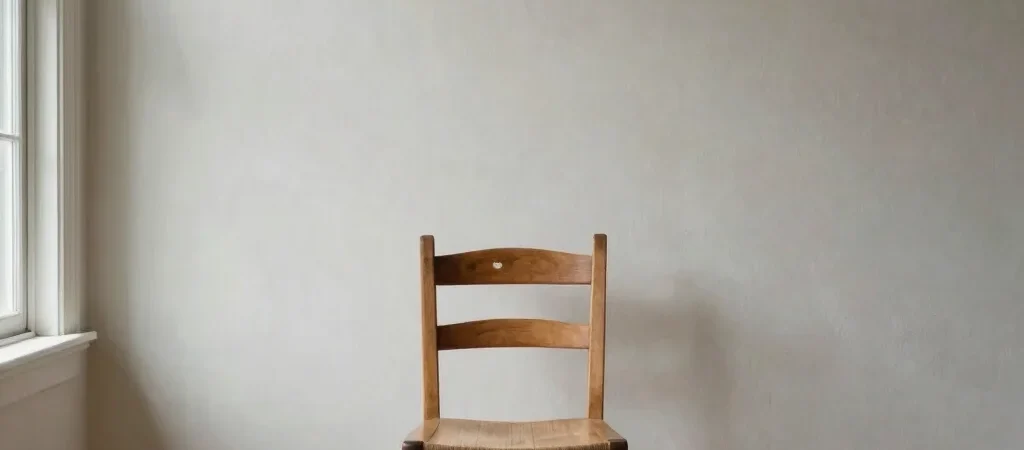
A photograph of a chair is never only a photograph of a chair. The sliver of wall beside it, the shadow crossing the seat, and the amount of empty floor all shape what the image feels like before we name its subject.
Notice the edges first
When I look at an image, I try to let my eyes travel to its borders before settling on the center. A cropped sleeve or a bright patch of window can suggest a life just outside the frame, while a little extra space may make the subject feel quiet rather than isolated.
Let the light take part
Light is not just a way to make details visible; it gives them weight. Hard afternoon sun can turn an ordinary tabletop into a pattern of sharp shapes, while soft window light lets textures—paper, fabric, dust—stay present without insisting on themselves.
Look again before deciding
It’s tempting to name what a photograph is about as soon as we recognize its subject. I’d rather sit with the arrangement for another moment and ask what the frame is doing: where it directs attention, what it withholds, and which detail keeps pulling me back. That small pause can turn looking into a conversation.